
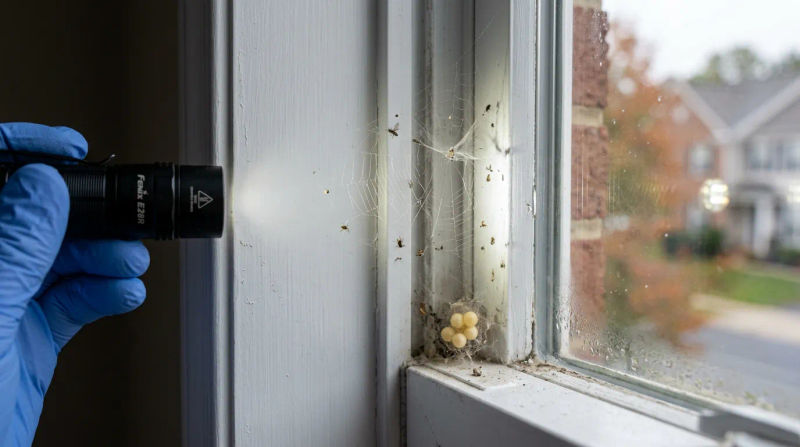
It’s a familiar scene for many of us here in Stafford Lakes Village. You head down to the basement to grab something from storage, and as you flick on the light, you spot it: a new, intricate web spun in the corner overnight. Or maybe you’re closing the blinds as the October evening gets chilly and see a spider scurrying along the windowsill. It’s not your imagination; as the leaves fall and the nights get colder, it often feels like our eight-legged neighbors are trying to move in with us. After more than a decade of helping folks in the Fredericksburg area, my team and I know this seasonal shift all too well. Spiders aren't trying to invade your home out of spite; they're simply following their instincts for survival, which often leads them right through your front door.
Common Signs and Symptoms
Recognizing the early spider activity signs is the first step in keeping your home comfortable and web-free. It’s not just about seeing a spider; there are several subtle clues that can indicate a growing population. Here’s what I tell homeowners to look for:
- Obvious Webs: This is the most common sign. You'll typically find them in undisturbed areas like corners of rooms, along ceiling joists in the basement, in garages, and around window frames. Pay attention to the type of web. Messy, tangled cobwebs often belong to the common house spider, while more structured, funnel-shaped webs can indicate other species. The classic, circular orb-weaver webs are beautiful outdoors but a clear sign of entry if you see them near doors or windows.
- Spider Egg Sacs: This is a critical sign to watch for. Finding an egg sac means a new generation of spiders could be on its way. For spider egg sac identification indoors, look for small, silk-spun balls or teardrop-shaped sacs. They are often white, tan, or light brown and can be attached to a web, hidden in a crevice, or stuck to the underside of furniture. A single sac can contain hundreds of eggs, so addressing this early is key.
- Frequent Spider Sightings: Seeing one spider is an incident; seeing several different spiders over a few days is a trend. If you’re noticing more spiders than usual in various parts of your home - especially in places like bathrooms, kitchens, and basements - it’s a strong indicator that your home is providing good shelter and a steady food source.
- Shed Skins (Exoskeletons): As spiders grow, they molt, shedding their old exoskeleton. These look like tiny, translucent, dried-up spiders. You might find them in webs, along baseboards, or on windowsills. While small, they are a definite sign of resident spiders.
- An Increase in Other Indoor Pests: Spiders are predators. If you have a healthy spider population, it’s almost always because you have a healthy population of their prey. An increase in flies, ants, silverfish, or other small insects is a dinner bell for spiders, drawing them indoors.
- Tiny Dark Spots: In areas with high spider traffic, you might notice small black or brown specks on walls, ceilings, or window frames. These are spider droppings (fecal matter). While not as obvious as other signs, they can confirm a spider's preferred hiding spot.
What Causes This Problem
Understanding why spiders come inside in October helps demystify the problem. It’s less about them wanting to be your roommate and more about basic survival needs: food, water, and shelter from the cold. As temperatures drop in Stafford Lakes Village, the insect life that spiders prey on seeks warmth inside our homes, and the spiders are never far behind.
Many of the beautiful, large homes in our area, often built in the 1990s and 2000s, have features that inadvertently create easy access for pests. Their complex rooflines, numerous windows, and attached multi-car garages offer countless tiny gaps and crevices. Spiders and insects can easily slip through:
- Gaps around window and door frames.
- Unsealed utility entry points where pipes and wires enter the house.
- Vents for attics, crawl spaces, and dryers that lack proper screening.
- The space beneath garage doors, which often doesn't seal perfectly.
Vinyl siding with brick or stone accents, a common feature of homes from this era, can also provide excellent hiding spots for spiders right against your foundation. The heavy leaf fall in autumn creates another layer of shelter near the ground, giving them a perfect staging area to find a way inside. Once indoors, the abundance of quiet, dark spaces - like the spiders in basement corners Stafford Lakes Village homeowners often report - provides the ideal environment for them to hunt and reproduce.
When to Call a Professional
It’s tempting to grab a vacuum or a shoe every time you see a spider, and for the occasional visitor, that’s perfectly fine. However, there are specific situations where a DIY approach may not be enough to solve the underlying issue.
If you're noticing several of the signs mentioned above, especially recurring webs and multiple sightings, it's a good indication that you have an established population, not just a few stragglers. The most important trigger for calling for help is finding egg sacs. Proper spider egg sac identification indoors is crucial because disturbing them improperly can release hundreds of spiderlings into your home, turning a small problem into a much larger one. A professional knows how to remove them safely and effectively.
Furthermore, a qualified professional won’t just treat the spiders you can see. They will conduct a thorough inspection to identify how and why they are getting in. They can pinpoint entry points around your foundation, windows, and roofline that you might have missed. They also assess the real problem: the other pests that are attracting the spiders in the first place. A comprehensive treatment plan should address the spiders' food source to create a lasting solution.
While most common house spiders are harmless, Virginia is home to the Black Widow and, less commonly, the Brown Recluse. If you suspect you have seen one of these venomous spiders, do not attempt to handle it yourself. An experienced technician can safely identify and remove them, giving you essential peace of mind.
Conclusion
As the autumn chill sets in here in Stafford Lakes Village, it’s natural to see an uptick in spider activity. They are driven by the same instincts as us: seeking warmth, shelter, and a reliable food source. By learning to spot the key warning signs - from visible webs and frequent sightings to the critical discovery of egg sacs - you can get a clear picture of what's happening in your home. Understanding that these spiders are often chasing other pests inside through small entry points is the first step toward a long-term solution.
Don’t wait for a few webs to become a full-blown infestation. Acting early can prevent a small issue from becoming a much larger one next spring. If you notice any of these signs and feel the problem is beyond a simple cleanup, it’s always a good idea to get an expert opinion.
If you notice any of these signs, contact a local exterminator for an inspection.